









If you are looking for frozen shoulder treatment in Norwich, you are probably already past the stage of hoping it will wear off by itself in a few days. This is one of those shoulder problems that chips away at normal life.
At first, it may feel like an awkward pull when you reach behind you. Then, before long, getting dressed, fastening a seatbelt, lifting your arm in the shower, or reaching into a cupboard starts to feel far more difficult than it should.
It is frustrating partly because the problem often builds slowly. People do not always notice one clear injury. They just realise the shoulder has become harder to move, more painful, and more unpredictable than it used to be.
Frozen Shoulder Symptoms and Why It Feels Worse at Night
A lot of shoulder conditions hurt, but frozen shoulder has its own pattern. The pain is often there before the stiffness really takes hold. Then the shoulder begins to tighten up and everyday movement becomes restricted.
What catches many people off guard is how ordinary tasks suddenly become annoying. Pulling on a jumper, doing your hair, reaching for the back pocket, even turning in bed can become a nuisance.
For some, the worst part is shoulder pain at night. You finally get into bed, roll onto the affected side, and realise sleep is going to be another battle. That worn-down feeling matters. It is one reason people stop treating this as something minor and start looking for proper help.
Why Frozen Shoulder Can Last for Months
Frozen shoulder is not just a sore muscle that needs a week off. The capsule around the shoulder joint becomes irritated and tight, which is why movement gets more limited over time. That is also why the condition can last much longer than people expect.
You may also hear it called adhesive capsulitis treatment when reading about it online or in clinic material. Same condition, just a more medical label. Most patients do not use that term in real life. They usually say they have a shoulder that hurts, feels stuck, and will not move properly.
That slow, stubborn nature is exactly why people often feel a bit defeated by it. You can be doing your best, taking pain relief, trying to stay active, and still feel like progress is crawling.
Early Frozen Shoulder Treatment Without Injections
Most people do not jump straight to injections. The usual starting point is pain relief, activity changes, and gentle movement. There is a reason for that. Early on, trying to force the shoulder can simply make it angrier. What tends to help more is keeping it moving within reason, without turning every exercise session into a fight.
That is broadly how frozen shoulder treatment in the UK is usually handled. It is often a staged process rather than one big solution. First, calm the pain down enough so the shoulder can be used. Then work on movement steadily.
The timing matters. If the pain is still sharp and dominant, rehab often needs to be gentler. If the worst pain has started to settle, there is usually more room to build mobility.
This is also where frozen shoulder physiotherapy can be useful. Not because a physio has a magic stretch nobody else knows, but because the right exercises at the right time can stop you doing too much too soon, or too little for too long.
When a Steroid Injection May Help Frozen Shoulder Pain
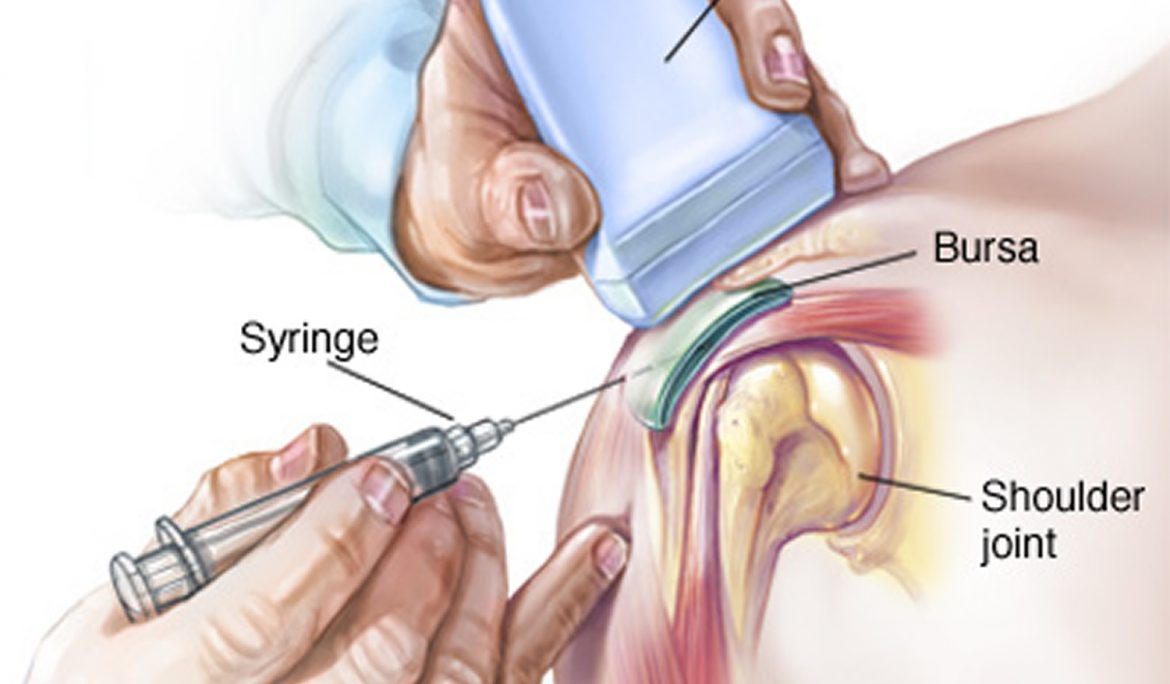
A steroid injection for frozen shoulder tends to come into the conversation when pain is the main thing holding you back. If the shoulder is so sore that you cannot sleep properly, cannot move it enough to do rehab, or feel stuck despite the usual early steps, an injection may help settle the inflammation and take the edge off.
That said, it helps to be realistic. A frozen shoulder injection in the UK is not a reset button. It may reduce pain. It may make movement easier. It may give you a better chance to get something out of your exercises. What it does not do is instantly restore a full range of motion by itself.
That distinction matters. Some people are disappointed because they expect the injection to sort the whole thing out in one hit. In practice, the useful part is often what comes after it. If the pain eases enough to let you move the arm more normally, you can start making ground instead of just protecting the shoulder all day.
What an Injection Cannot Do on Its Own
This is the part worth saying plainly. An injection can help create an opening, but you still have to use that opening well. If pain settles but the shoulder is then barely moved, stiffness can remain a problem. On the other hand, if you go too hard too early because it feels better for a few days, you can end up sore again.
That is why the sensible middle ground usually works best. Keep expectations steady. Use the pain relief to improve function. Build movement back gradually. Be patient with it, even if that is not the most exciting advice in the world.
A painful stiff shoulder usually responds better to consistency than impatience.
When Private Frozen Shoulder Treatment in Norfolk May Be Worth It
Some people are happy to manage it through NHS routes and wait for the next step. Others reach a point where waiting feels like lost time. If the shoulder is affecting sleep, work, driving, or basic independence, getting assessed sooner can be a reasonable choice.
That is where private frozen shoulder treatment in Norfolk may appeal. It is not about making the condition look more dramatic than it is. It is about being assessed properly, working out whether it really is frozen shoulder rather than another issue, and deciding whether an injection belongs in the plan or not.
For a local clinic such as Norfolk Health and Joint Care, that is really the value. Not just offering a procedure, but helping people figure out what fits their stage and symptoms.
Final Words
Frozen shoulder can be a slow and wearing condition. It does not just hurt. It narrows your day without you noticing at first, then suddenly starts affecting sleep, dressing, driving, and simple movement. The answer is not always an injection, but there are times when one can be useful, especially when pain is stopping you from making progress.
The best approach is usually the least dramatic one. Get the shoulder looked at properly. Work out what stage you are in. Use pain relief, rehab, and injections where they genuinely fit. That is what makes frozen shoulder treatment in Norwich feel less like guesswork and more like a proper plan.
Frequently Asked Questions
How long can frozen shoulder last?
Longer than most people expect. It often runs for months, and sometimes much longer, which is why patience becomes part of the job.
Does everyone with frozen shoulder need an injection?
No. Some people improve with pain relief, time, and guided movement work. Injections are usually more relevant when pain is a major barrier.
Will one injection fix the stiffness?
Usually not on its own. It may reduce pain enough to let you move the shoulder better, but recovery still tends to need time and rehab.
Is it worth doing exercises if the shoulder hurts?
Usually yes, but they need to be sensible. There is a difference between gently keeping the joint moving and repeatedly forcing it into pain.
When should I get it checked?
If it is affecting sleep, getting dressed, driving, work, or day-to-day use of the arm, it is worth getting assessed rather than hoping it will sort itself out soon.